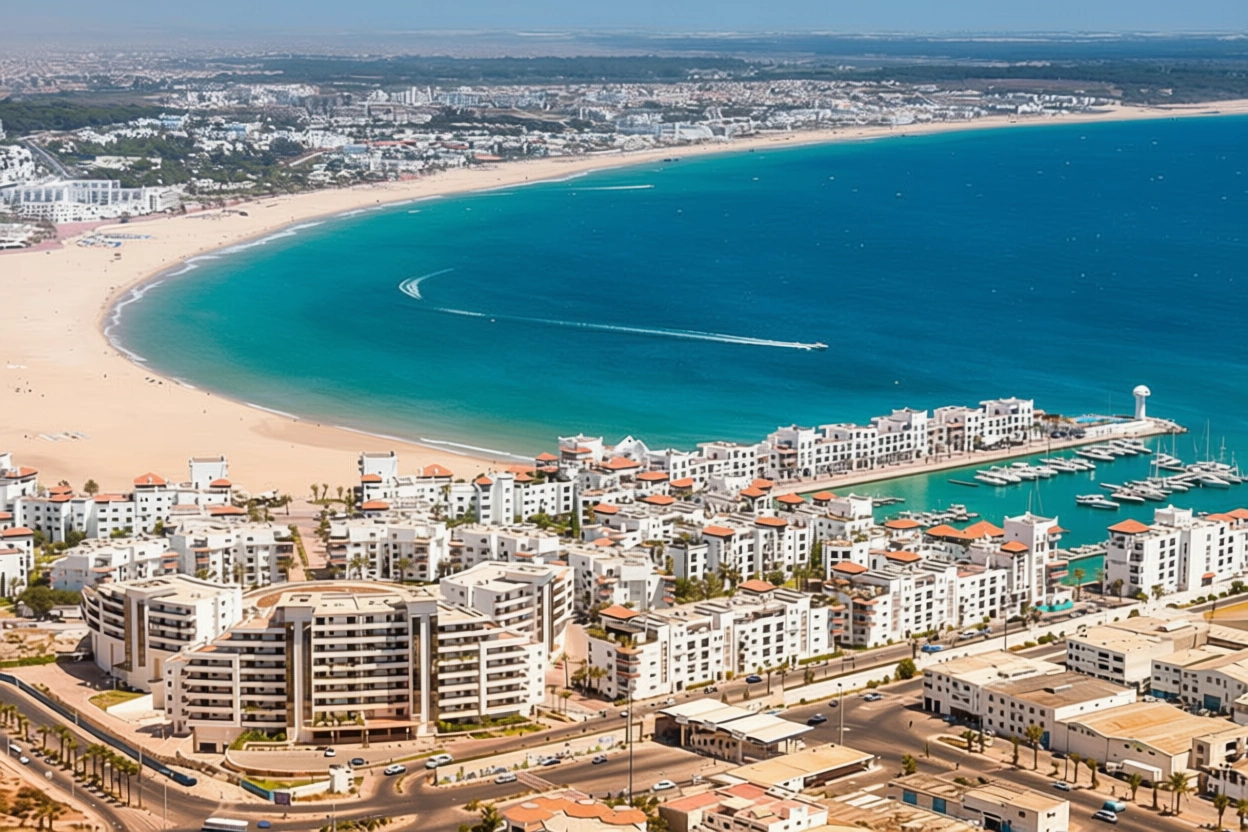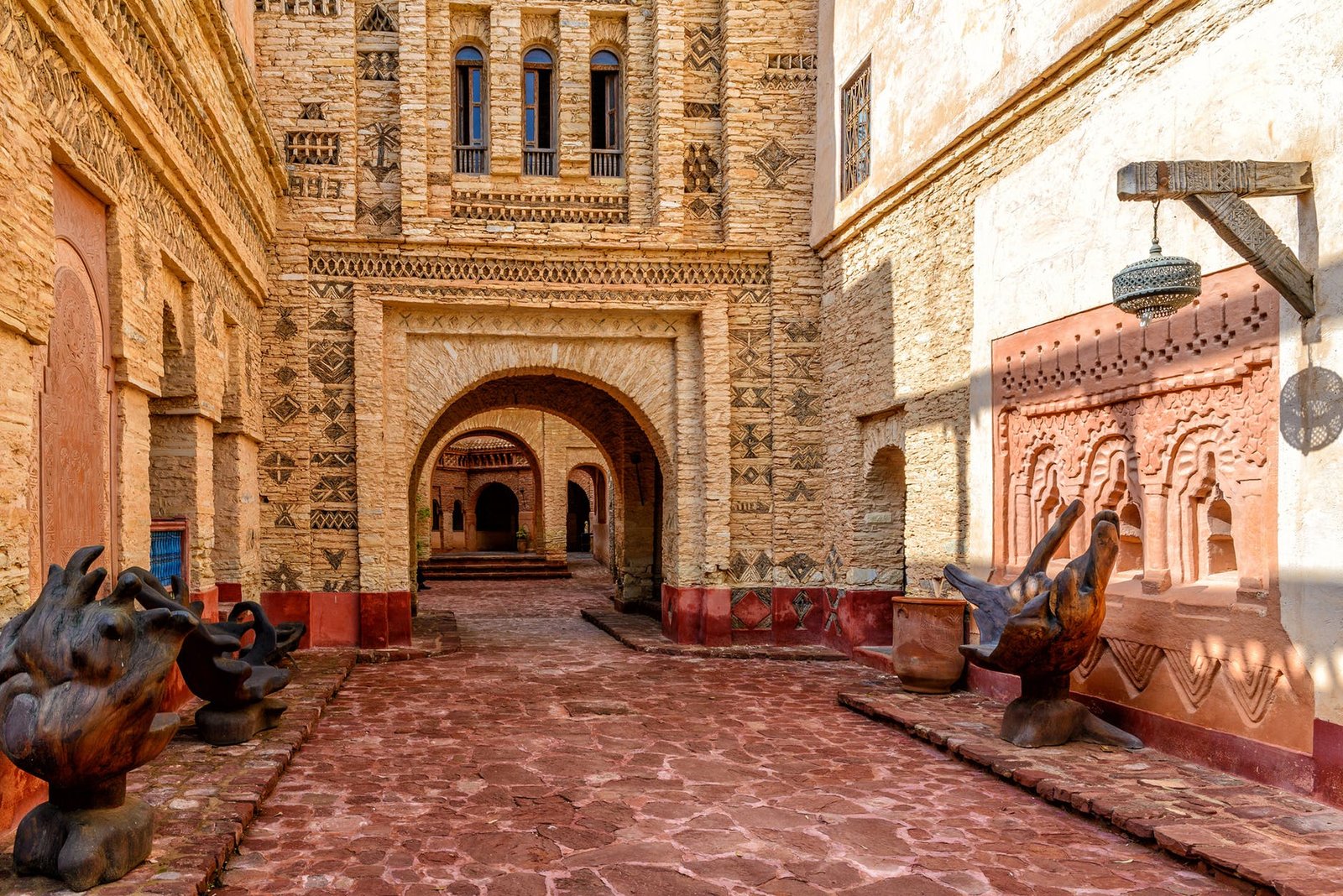


Best Food in Agadir: Top Dishes, Street Eats & Restaurants You Must Try in 2025


The Ultimate Food Guide to Agadir: Where Moroccan Flavors Meet the Atlantic Breeze
Agadir, Morocco’s sun-soaked coastal gem, is not only a paradise for beach lovers but also a culinary haven for food enthusiasts. With its fresh Atlantic seafood, aromatic tagines, and colorful markets, Agadir offers an unforgettable journey through Moroccan gastronomy infused with Berber, Arabic, and French influences.
1. Discover the Soul of Agadir Through Its Cuisine
Agadir’s food scene reflects its coastal geography and diverse cultural heritage. Here, traditional Moroccan spices meet ocean-fresh ingredients, creating a culinary experience that’s both authentic and vibrant. Whether dining at a beachfront restaurant or exploring a bustling souk, every meal tells a story.
Highlights of Agadir’s Culinary Identity
-
Berber heritage: Earthy flavors, slow-cooked stews, and traditional bread baked in clay ovens.
-
French influence: Elegant cafés, patisseries, and refined sauces.
-
Ocean freshness: Sardines, sea bream, and lobster caught daily from the Atlantic.
2. Must-Try Traditional Moroccan Dishes in Agadir
Tagine – The Iconic Moroccan Stew
No visit to Agadir is complete without tasting a steaming tagine. Whether made with lamb, chicken, or vegetables, it’s slow-cooked with preserved lemons, olives, and a secret blend of local spices that awaken every sense.
Couscous – A Friday Ritual
Served with tender meat and vegetables, couscous is a dish that unites families. In Agadir, locals often flavor it with caramelized onions and sweet raisins, creating a perfect harmony between savory and sweet.
Harira – The Comforting Soup
A traditional lentil and tomato soup enriched with chickpeas and spices, Harira is often enjoyed during Ramadan but is equally satisfying any time of the year.
3. Fresh Seafood by the Atlantic
Agadir’s proximity to the ocean makes it Morocco’s seafood capital. Local fishermen bring their catch to the port every morning, supplying restaurants with the freshest sardines — a local delicacy.
Top Seafood Dishes to Savor
-
Grilled Sardines – Lightly seasoned and flame-grilled, often served with a squeeze of lemon.
-
Seafood Pastilla – A flaky pastry filled with shrimp, squid, and white fish in a savory-spiced sauce.
-
Calamari Tagine – A unique fusion of ocean flavor and Moroccan tradition.
4. Exploring Agadir’s Food Markets
The city’s souks are a feast for the senses. Vibrant displays of spices, olives, dates, and freshly baked bread fill the air with intoxicating aromas.
Souk El Had d’Agadir
One of the largest markets in Morocco, Souk El Had features over 6,000 stalls selling everything from saffron and argan oil to hand-ground spices. Don’t miss the chance to sample freshly baked msemen (Moroccan pancakes) or sip on mint tea while bargaining for local delicacies.
5. The Best Restaurants in Agadir for Authentic Dining
| Restaurant | Specialty | Location | Highlights |
|---|---|---|---|
| Pure Passion | Seafood & fine dining | Marina | Fresh lobster, ocean views |
| La Scala | Moroccan & French fusion | City Center | Elegant ambiance, couscous royal |
| Dafra | Traditional Berber dishes | Talborjt | Authentic tagines, homemade bread |
| Les Blancs | Mediterranean seafood | Seafront | Sunset dining with grilled fish |
6. Street Food Adventures in Agadir
Agadir’s street food scene is vibrant and full of surprises. From sizzling brochettes to sweet chebakia, the flavors here are irresistible.
Street Eats Not to Miss
-
Brochettes – Marinated meat skewers grilled over open flames.
-
Bissara – A creamy fava bean soup served with olive oil and cumin.
-
Chebakia – Honey-coated pastries enjoyed during Ramadan but available year-round.
7. Drinks and Desserts: A Sweet Ending
Moroccan Mint Tea
Known as “Moroccan whiskey,” this sweet, minty tea is more than a drink — it’s a gesture of hospitality.
Pastilla au Lait
A delightful dessert made of crispy pastry layers with milk, almonds, and cinnamon.
8. Culinary Experiences and Cooking Classes
Visitors looking to dive deeper into Moroccan cuisine can join local cooking workshops. These immersive experiences often include a guided market tour, spice selection, and hands-on preparation of tagines and couscous — all under the guidance of skilled chefs.
9. Tips for Food Lovers Visiting Agadir
-
Eat with locals: The best meals are often found in family-owned restaurants.
-
Try early morning markets: Fresh fish and baked goods are best enjoyed before noon.
-
Respect local customs: Avoid alcohol in conservative areas and dress modestly when visiting traditional eateries.
10. Taste the Heart of Morocco in Agadir
Agadir’s culinary landscape is a reflection of its rich heritage and coastal abundance. From fragrant tagines to freshly grilled seafood, every bite is an invitation to explore Morocco’s soul. For food lovers, Agadir isn’t just a destination, it’s a feast of culture, flavor, and tradition.

AGADIR TRIP GUIDE
Related content
Interdum et malesuada fames