

Discover Agadir’s Culture & History: Top Places to Explore Moroccan Heritage
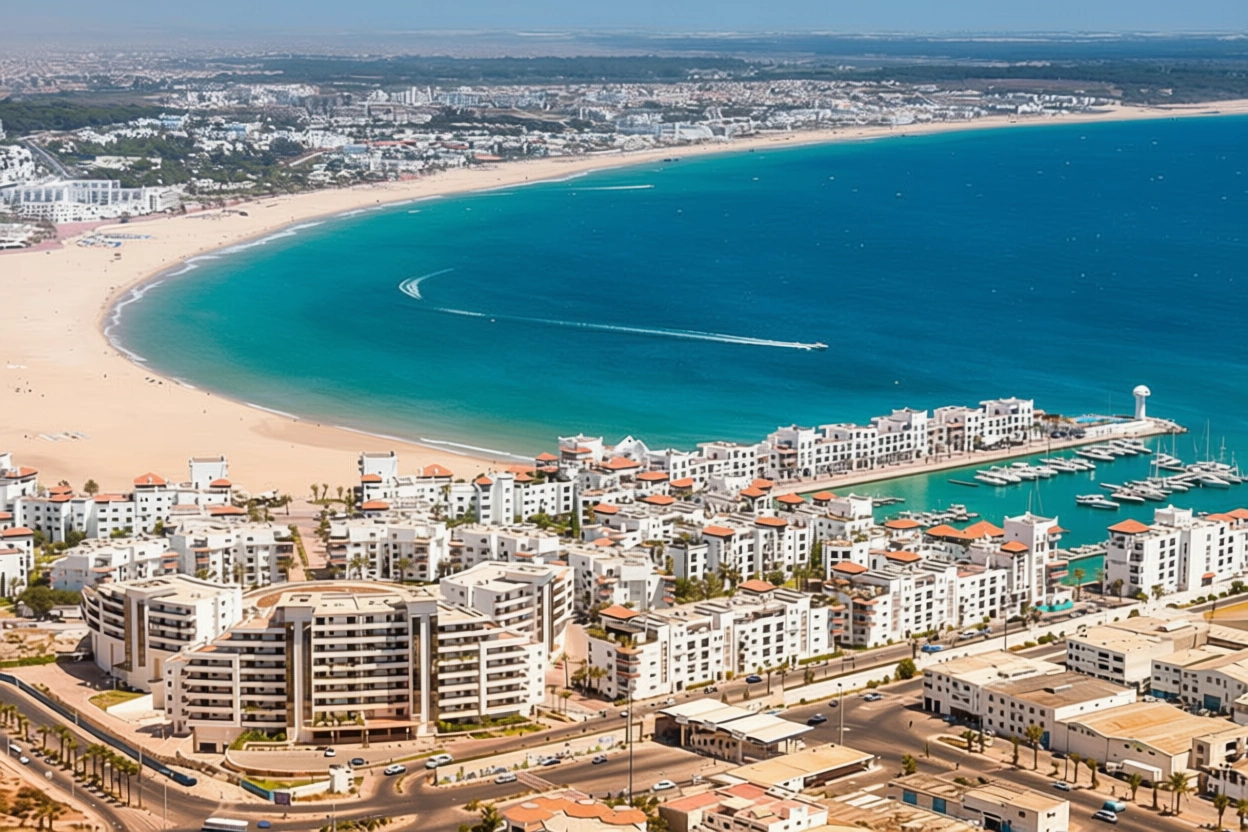
Agadir is often celebrated for its sunshine, beaches, and modern seaside atmosphere—but behind this vibrant coastal city lies a deep cultural heritage shaped by Berber traditions, ancient trade routes, and a remarkable story of resilience. For travelers who want to go beyond the sand and sea, Agadir offers a fascinating look into Morocco’s southern identity.
The Story of Agadir: From Ancient Port to Modern City
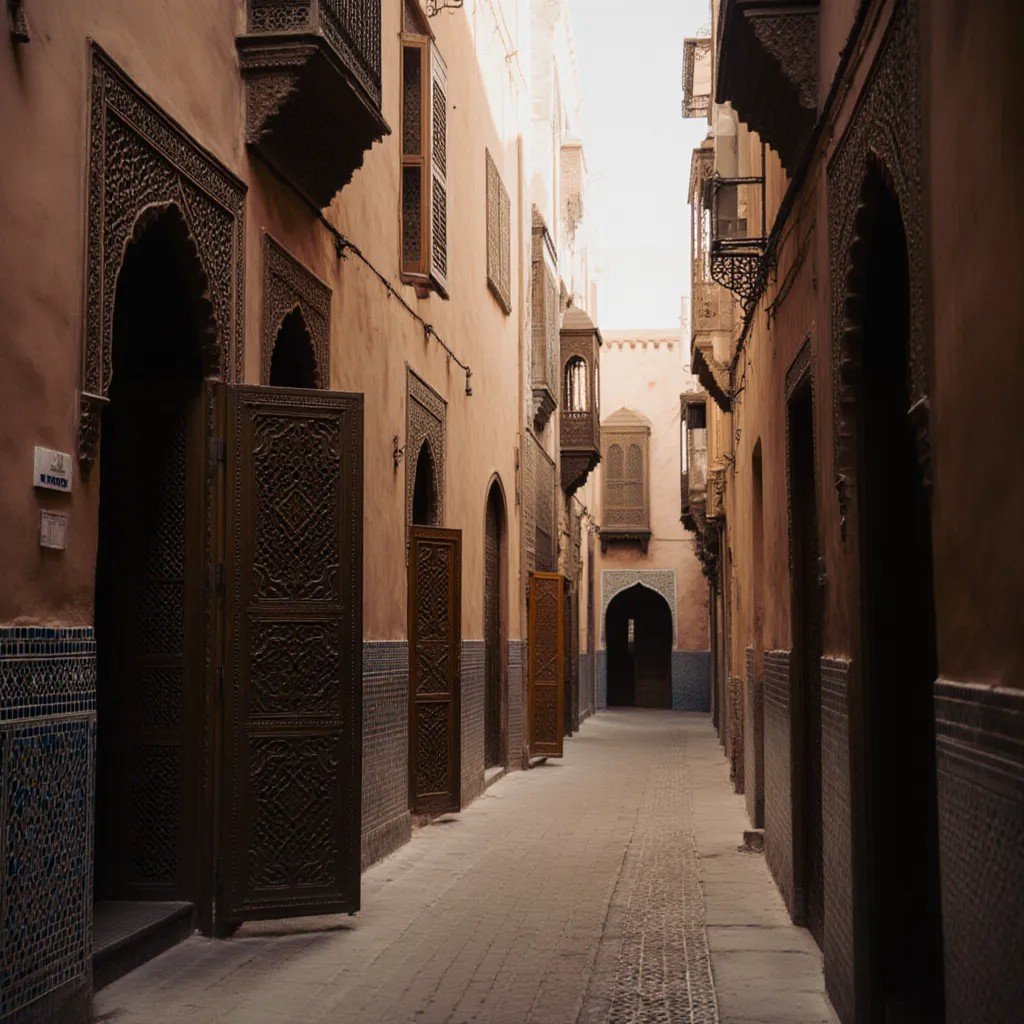
Agadir’s history is unique in Morocco. Once a thriving port connecting Africa and Europe, the city was largely rebuilt following the devastating 1960 earthquake. Today, Agadir blends modern urban design with cultural landmarks that preserve the spirit of its past.
Exploring Agadir is like witnessing history reborn—modern streets standing proudly beside ancient traditions.
Agadir Oufella: The Kasbah That Watched Over Centuries
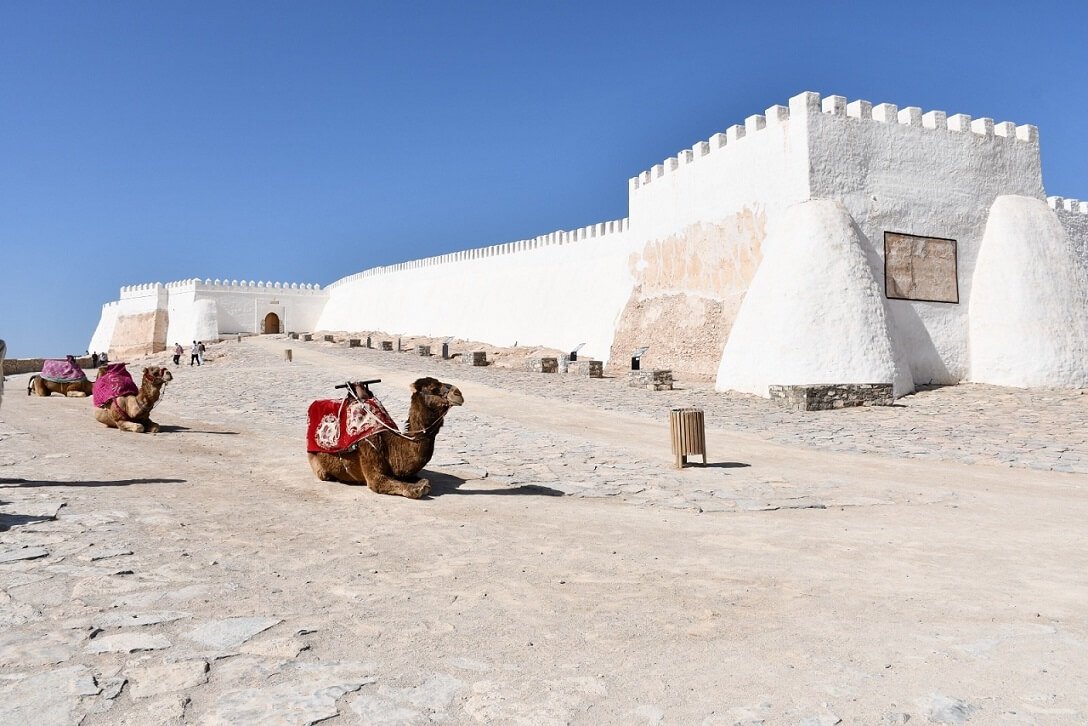
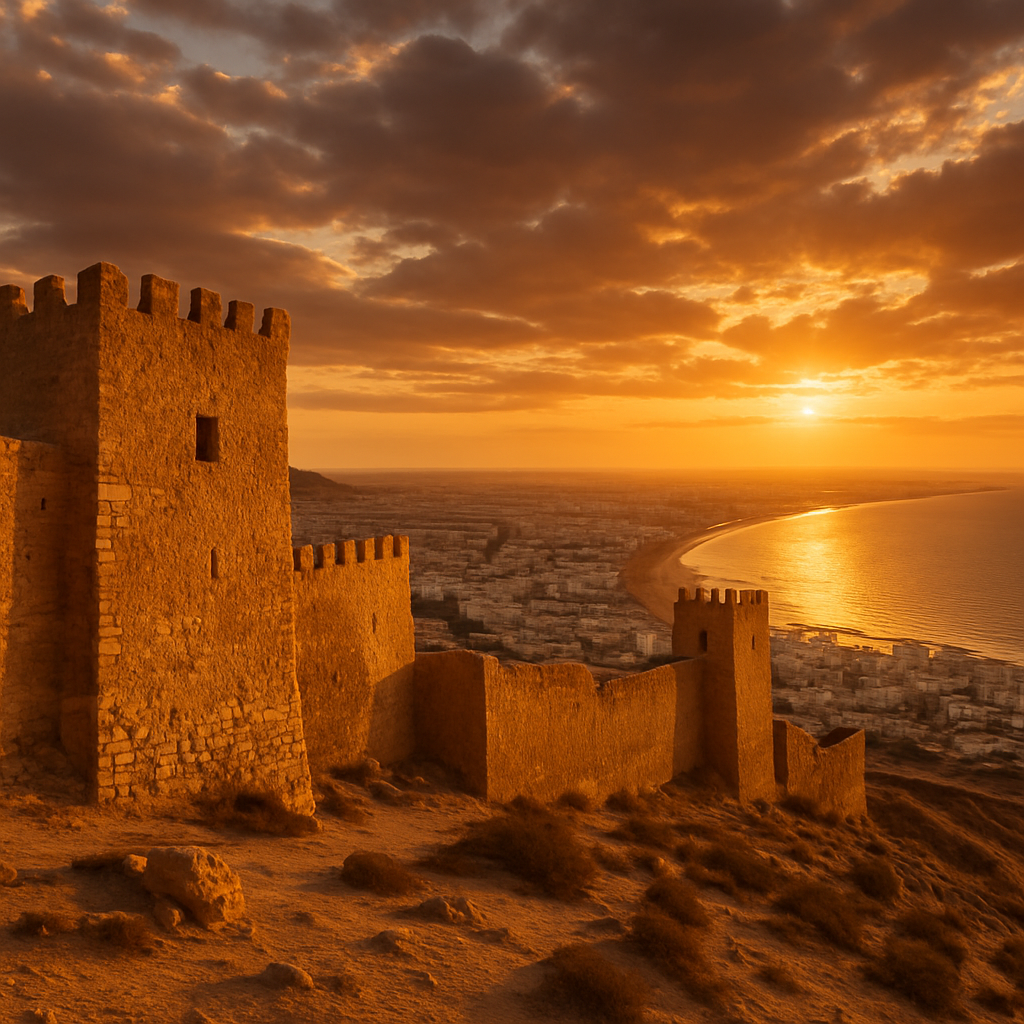
Perched high above the city, Agadir Oufella is one of the most iconic historical sites. Though its structure was damaged during the earthquake, the original walls and spectacular viewpoint remain.
Walking through the site, visitors get:
-
A breathtaking panoramic view of the city and coastline
-
A sense of the region’s ancient defensive architecture
-
A glimpse into the resilience of Agadir’s people
The newly renovated cable car also adds an exciting way to reach the top.
Souk El Had: The Heartbeat of Local Life
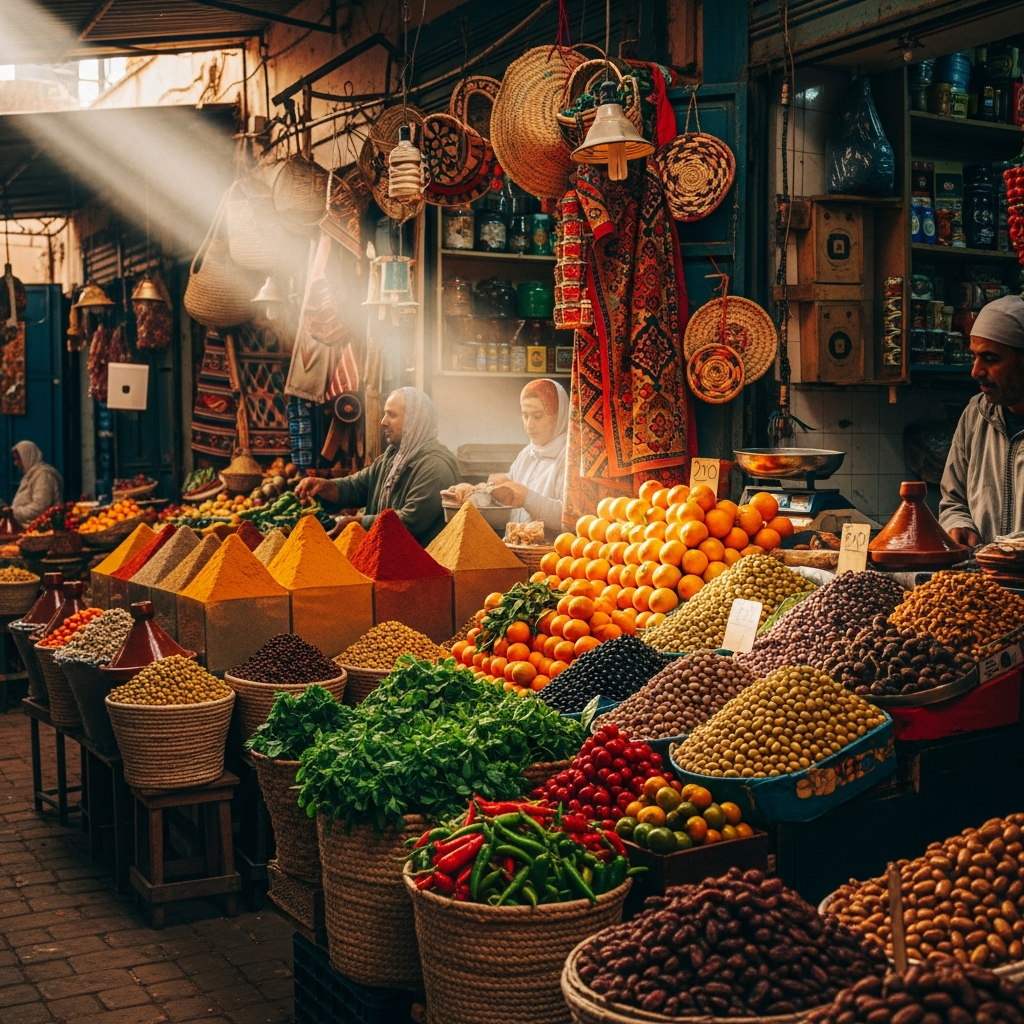
No cultural journey is complete without a visit to Souk El Had, one of the largest and most vibrant markets in Morocco.
Here, travelers discover:
-
Spices, herbs, and traditional remedies
-
Argan oil shops and cooperatives
-
Artisan crafts, carpets, pottery, and jewelry
-
Fresh produce and local delicacies
The souk is more than a market—it is a living museum of Berber cultural expression.
Berber Heritage: Music, Traditions & Hospitality
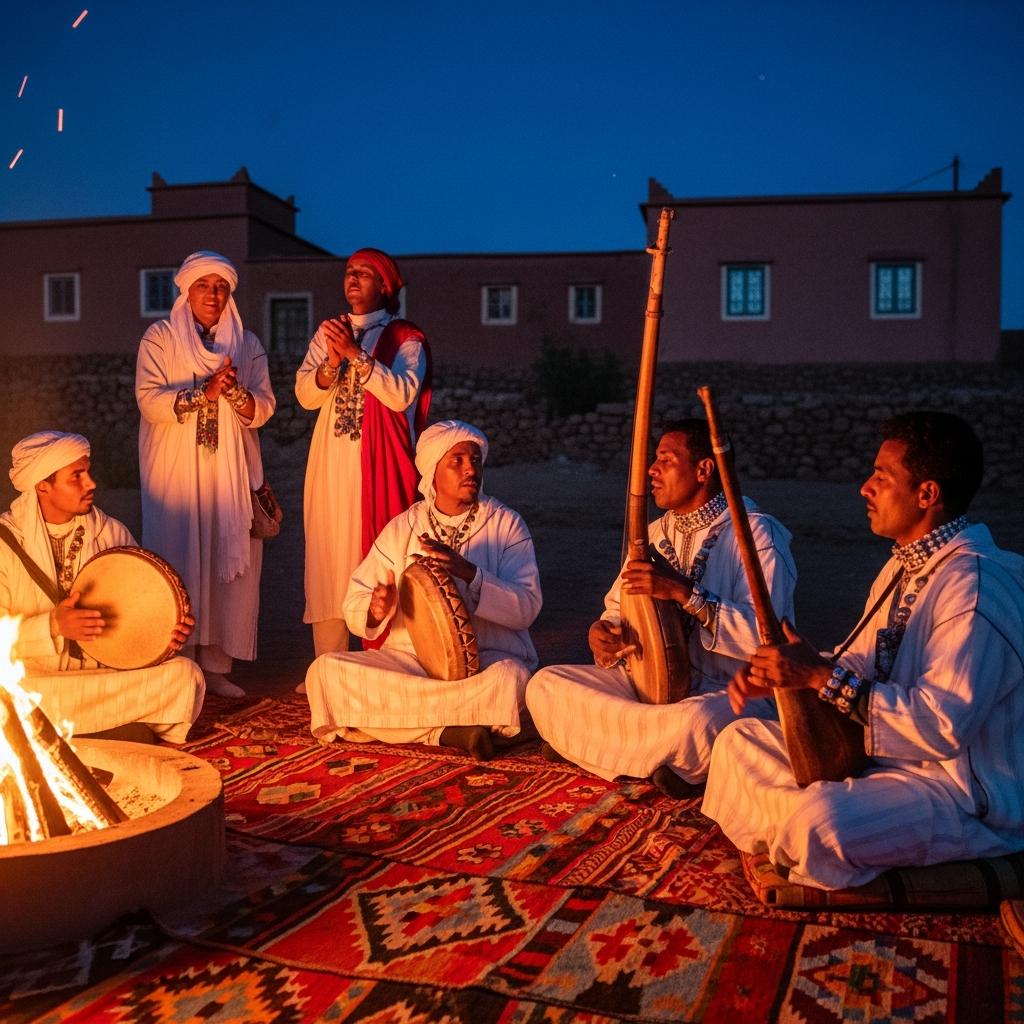
Agadir sits within the region of the Amazigh (Berber) people, one of the oldest cultures in North Africa. Their influence is visible everywhere—from language to music to architecture.
Visitors can immerse themselves in:
-
Ahwach and Rebbab performances, traditional Amazigh music
-
Berber meals like tajine, couscous, and amlou
-
Cultural dinners with live musicians and folkloric shows
-
Authentic hospitality that has defined the region for centuries
This deep cultural heritage makes Agadir one of the warmest and most welcoming cities in Morocco.
Crocoparc & Medina Polizzi: Culture with a Modern Twist
Agadir also offers cultural attractions that blend education, craftsmanship, and nature.
Crocoparc
A lush botanical garden home to Nile crocodiles, showcasing the ecosystem and conservation efforts of the Souss region.
Medina Polizzi
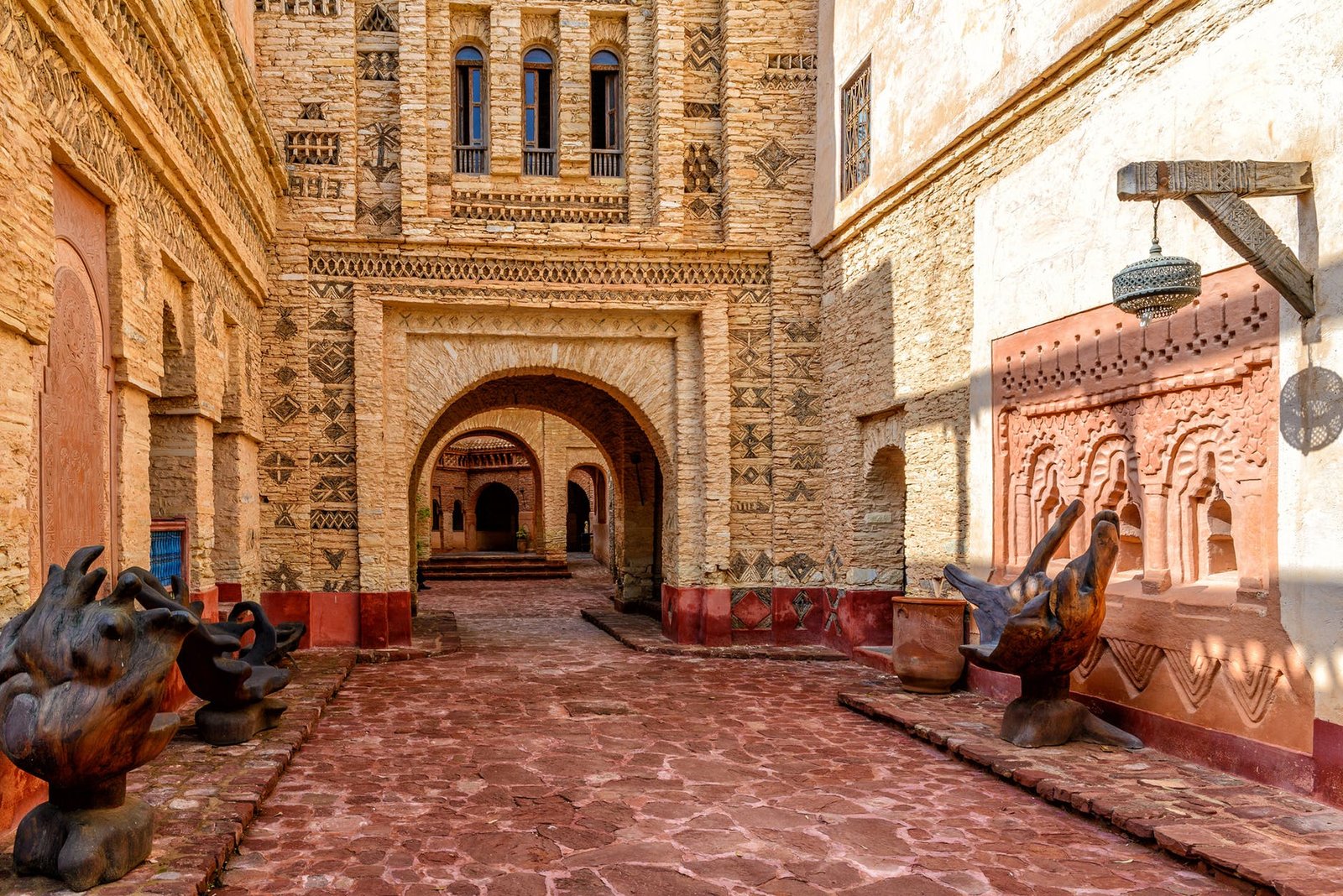
A reconstructed traditional Moroccan medina designed by Italian architect Coco Polizzi, celebrating craftsmanship, art, and architectural design.
The Argan Tree: Symbol of the Region
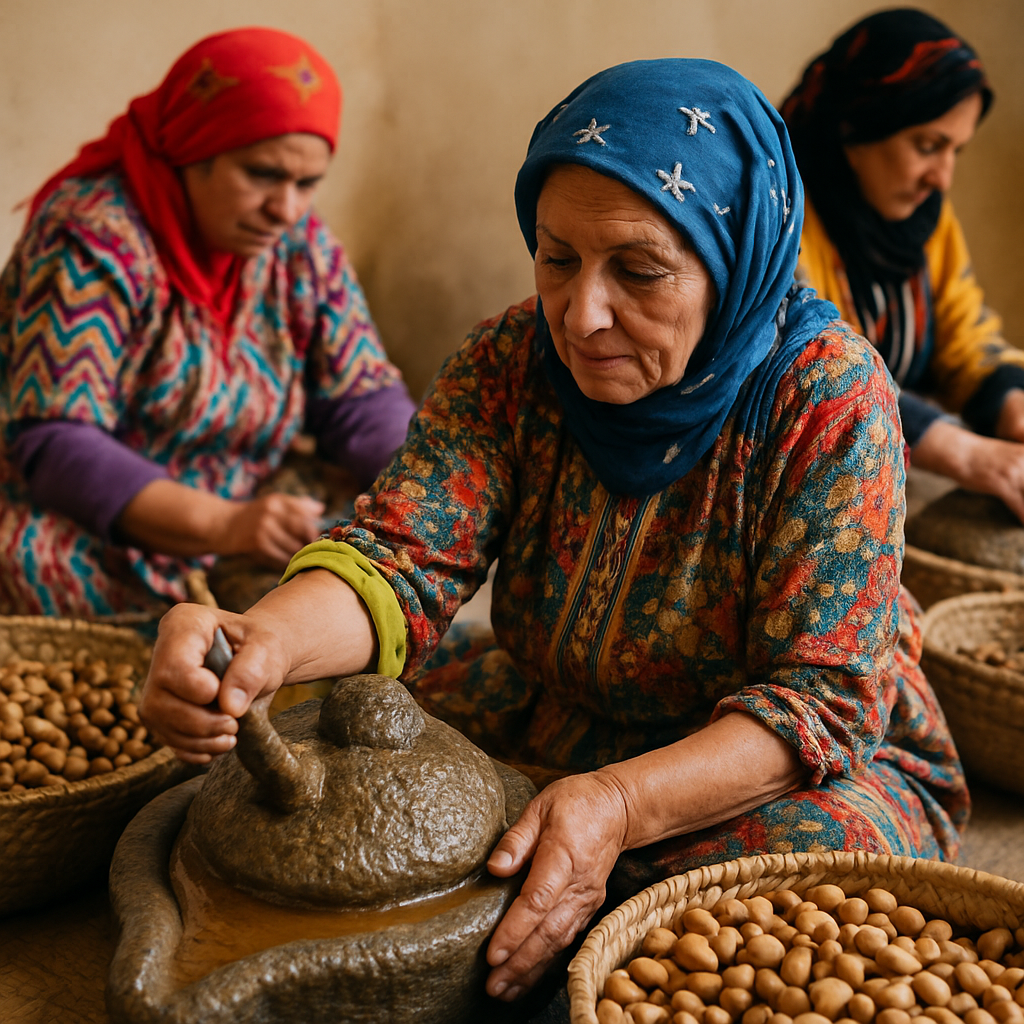
Agadir is located in the world’s only natural argan forest. Visiting an argan oil cooperative is a cultural experience in itself—especially for those curious about traditional oil-making techniques and the role of women’s cooperatives in local communities.
Agadir Is More Than a Beach Destination
For travelers seeking culture, history, and authentic Moroccan heritage, Agadir delivers a rich and captivating story. Whether exploring ancient kasbah walls, experiencing Berber music under the stars, or wandering through bustling souks, the city offers a deeper connection to Morocco’s southern roots.

AGADIR TRIP GUIDE
Related content
Interdum et malesuada fames