

National Park of Souss Massa: Wildlife, Nature, and Complete Travel Guide

Souss Massa National Park
Souss Massa National Park is one of Morocco’s most beautiful natural treasures, located along the Atlantic coast near Agadir. Spanning over 33,800 hectares, the park is known for its rich biodiversity, breathtaking landscapes, and unique wildlife that can’t be found anywhere else in the world. Whether you're a nature lover, a birdwatcher, or simply looking for a peaceful escape, this park offers an unforgettable experience.
Where the Park Is Located
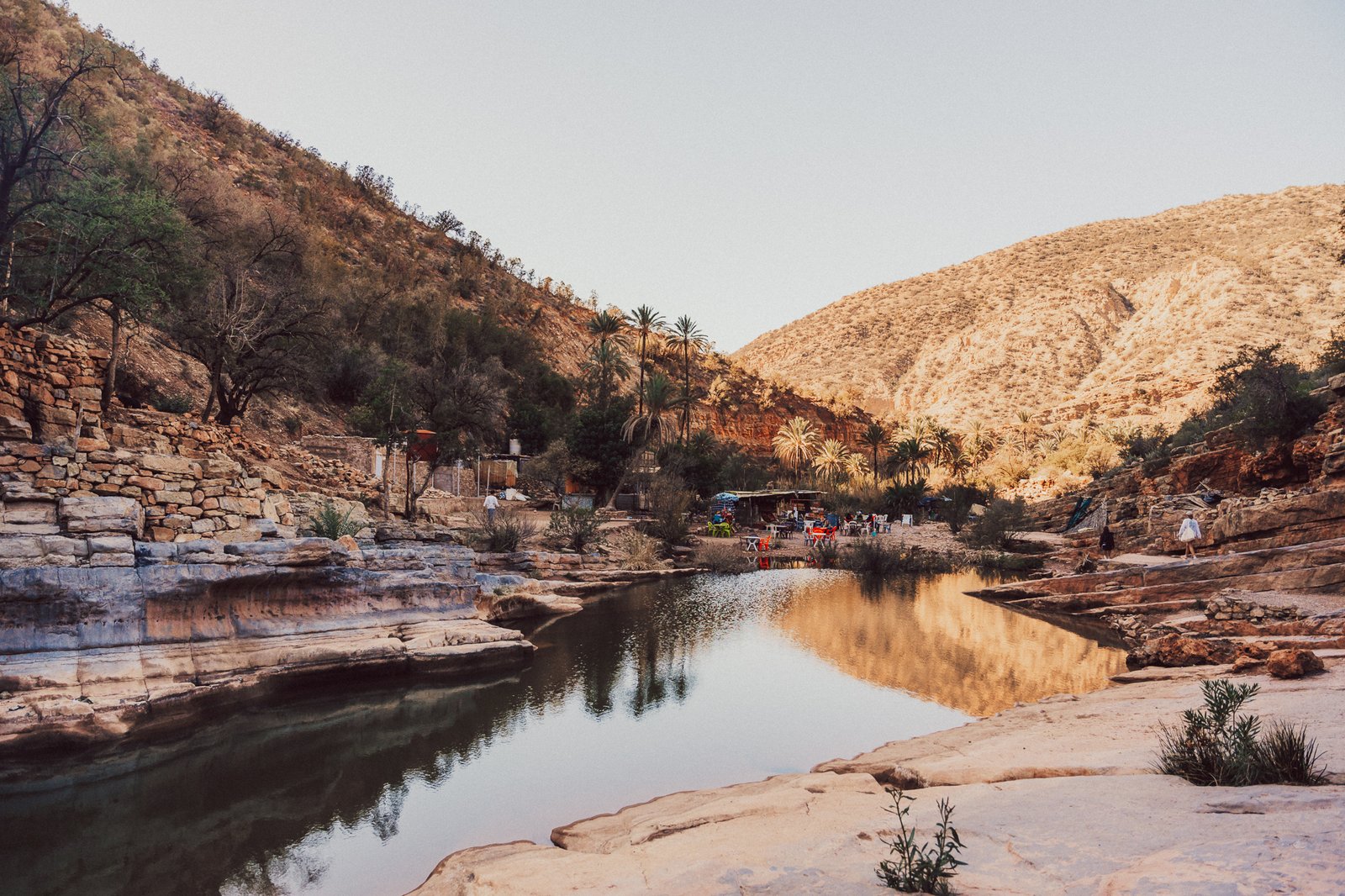
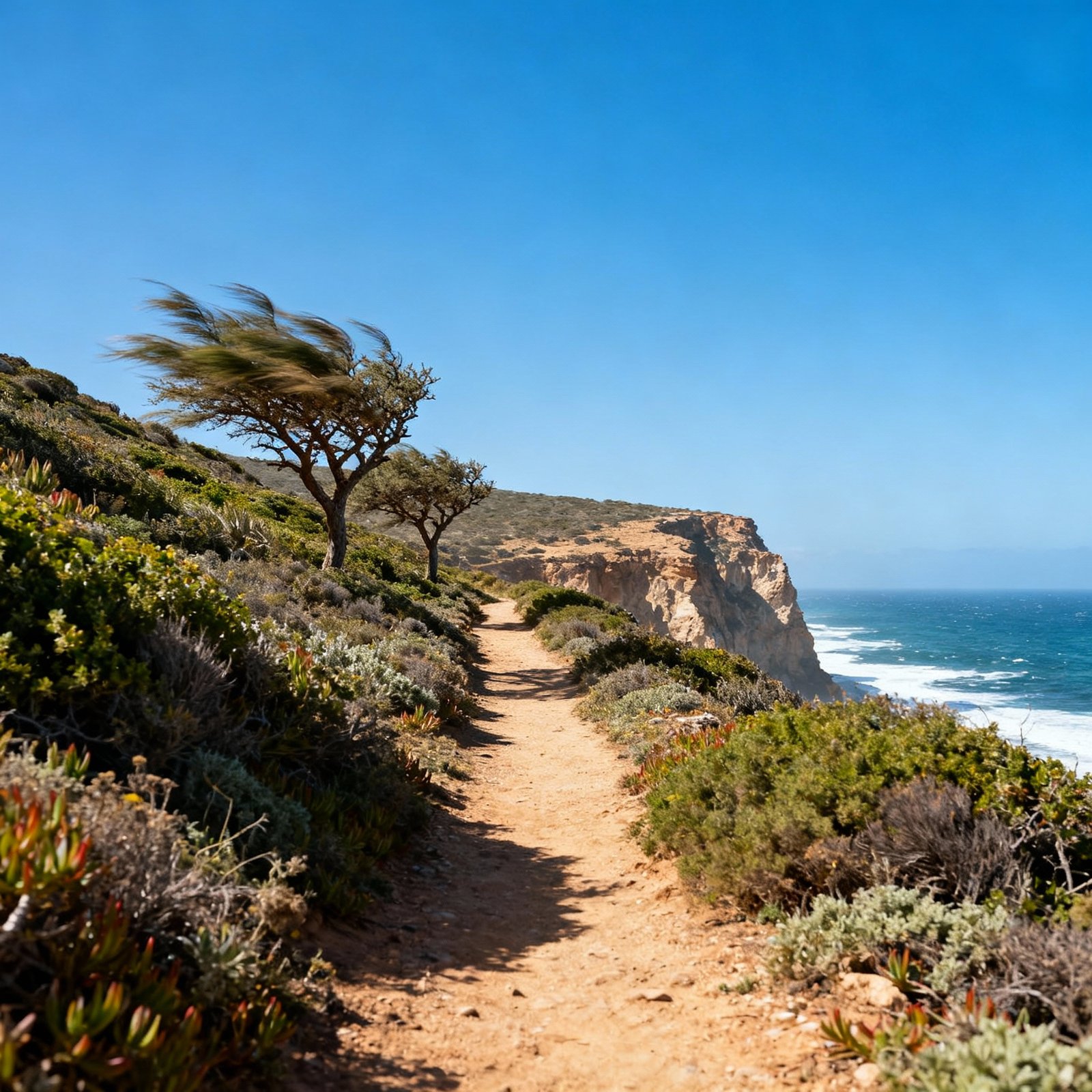
The park stretches along the southern Atlantic coastline of Morocco, between Agadir and Tiznit. Its strategic location combines coastal cliffs, sandy dunes, wetlands, and river valleys—creating a variety of habitats in one place.
History and Establishment
Souss Massa National Park was established in 1991 with the goal of protecting endangered species, especially the Northern Bald Ibis. Since then, it has become a key conservation site recognized both locally and internationally.
Why the Park Is Famous
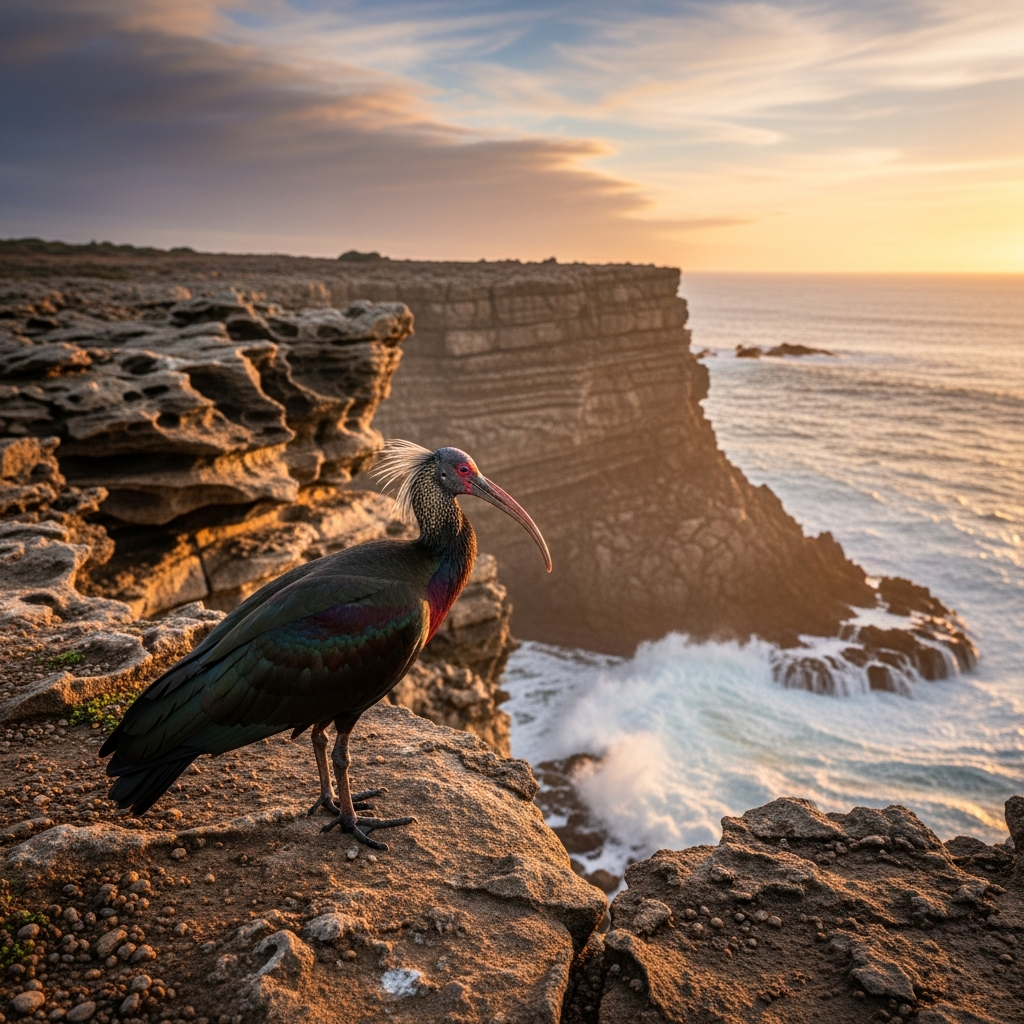
Its fame primarily comes from the Northern Bald Ibis, one of the world’s most endangered birds, which finds a safe haven here. The mix of wildlife, scenery, culture, and tranquil natural spaces makes it a must-visit destination in southern Morocco.
Unique Ecosystem of the Park
Climate and Geography
The park enjoys a mild coastal climate, shaped by Atlantic winds and desert influences. With river estuaries, wetlands, cliffs, and dunes, the landscape supports amazing biodiversity.
Biodiversity Significance
Souss Massa sits at an ecological crossroads, making it a hotspot for both African and European species. Many migratory birds stop here during their seasonal journeys.
The Importance of Wetlands and Coastal Areas
The mouths of the Souss and Massa rivers create vital wetlands that attract thousands of birds. These areas serve as feeding and nesting grounds for species that rely on stable, safe habitats.
Wildlife of Souss Massa
Endangered Species in the Park
Souss Massa is home to several threatened species protected through conservation programs.
Northern Bald Ibis
This iconic bird is the park’s symbol. With only a small global population remaining, Souss Massa plays a central role in keeping the species alive.
Dorcas Gazelle
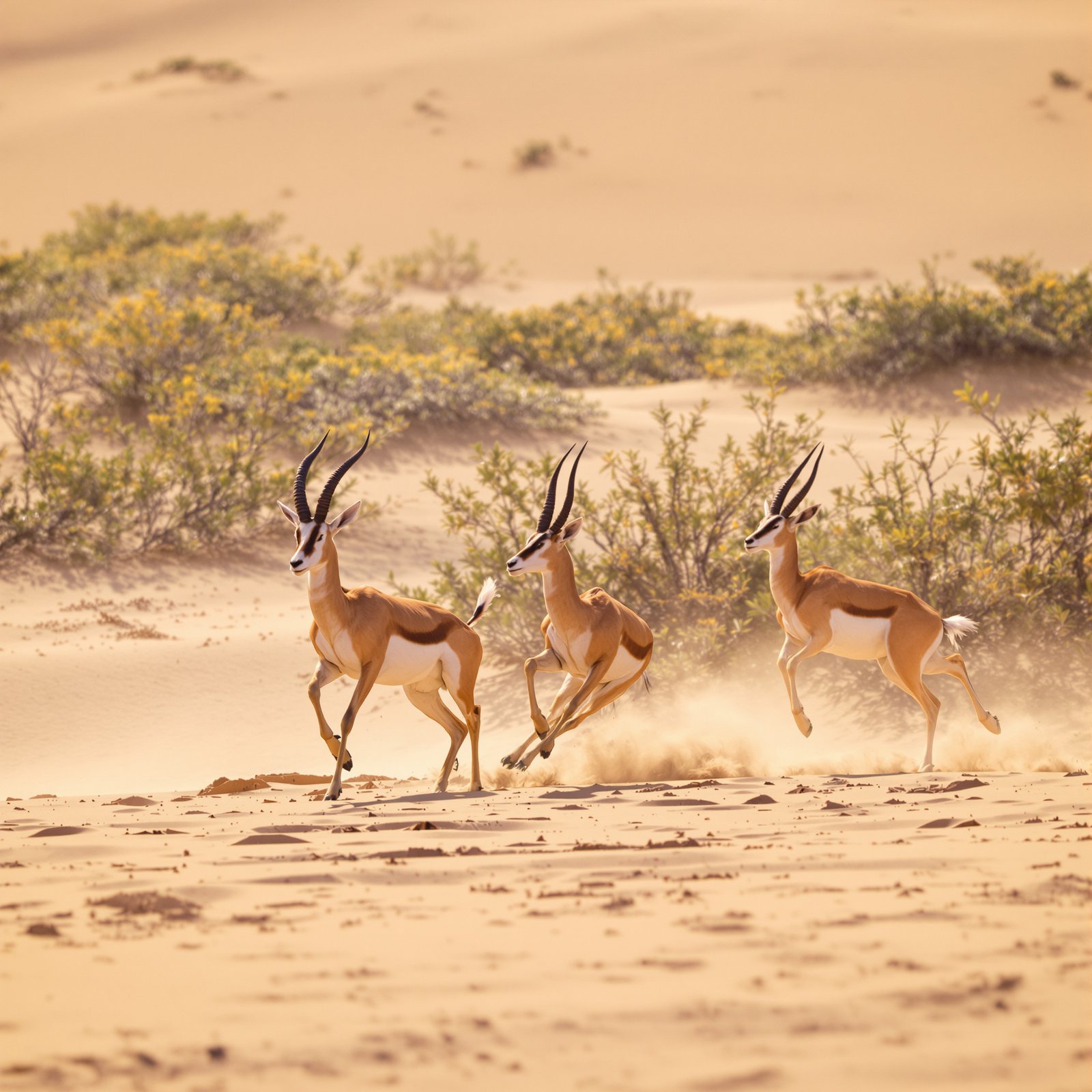
A graceful antelope adapted to arid landscapes, it roams freely in certain protected areas of the park.
Cuvier’s Gazelle
Rarer than the Dorcas gazelle, Cuvier’s gazelle prefers more rugged terrain and is carefully monitored by conservationists.
Marine Life and Coastal Bird Species
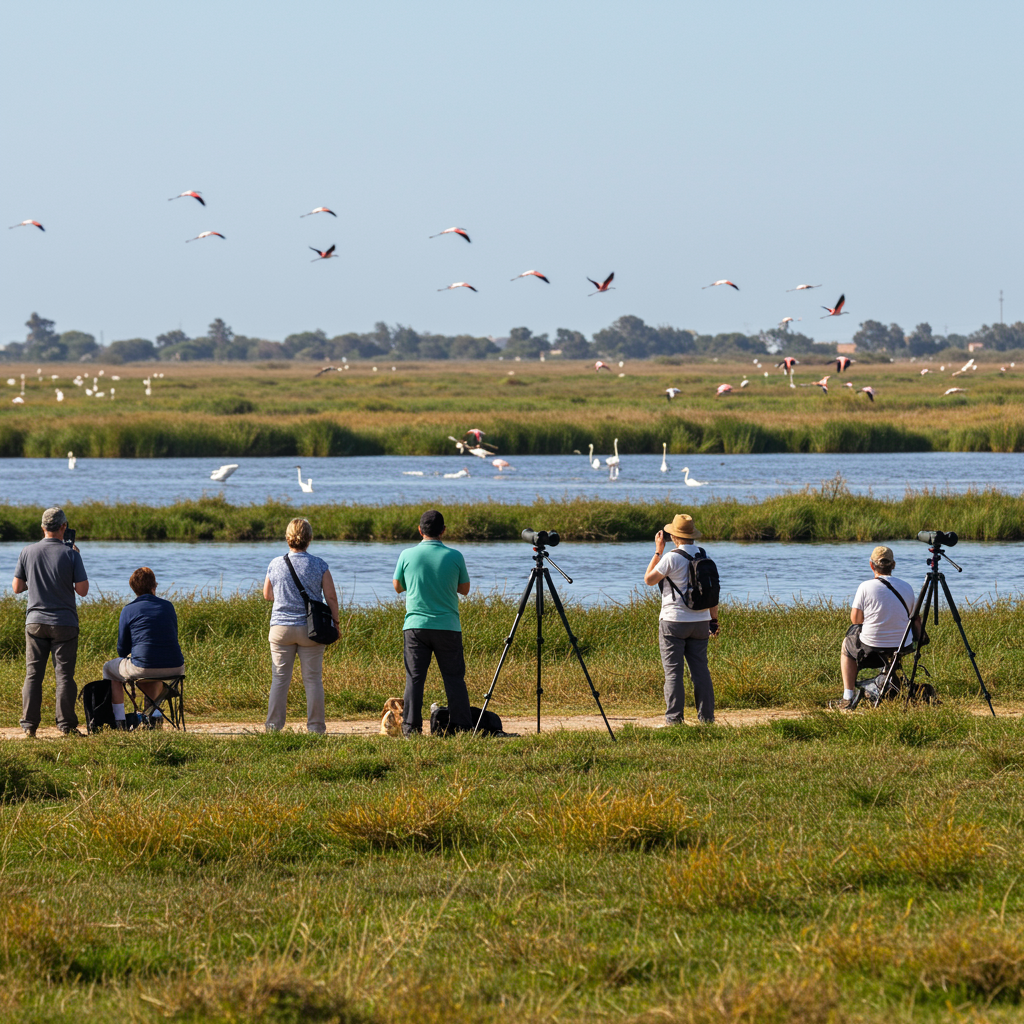
The coastline attracts flamingos, herons, ospreys, and countless migratory birds. Dolphins and monk seals are sometimes spotted offshore.
Plant Life and Natural Vegetation
Native Flora
You’ll find argan trees, euphorbia shrubs, and tamarisk forests—plants perfectly adapted to dry coastal conditions.
Rare and Protected Plant Species
Some plant species found within the park exist only in Morocco, making Souss Massa a botanical treasure as well.
Activities to Enjoy at Souss Massa National Park
Birdwatching
This is the top activity here. With diverse bird species, it’s a paradise for ornithologists and hobbyists alike.
Hiking and Nature Walks
Several marked trails allow you to explore dunes, cliffs, and riverbanks at your own pace.
Eco-Tours and Guided Visits
Local guides provide in-depth knowledge about flora, fauna, and conservation efforts, enriching your experience.
Photography Spots
Sunsets over the Atlantic, wildlife sightings, and pristine landscapes make the park a dream for photographers.
Local Culture and Communities
Amazigh (Berber) Heritage
The area surrounding the park is home to Amazigh communities, known for their strong cultural identity and traditional lifestyle.
Traditional Crafts and Cuisine
You can discover local handicrafts, taste traditional dishes, and experience the warm hospitality of the region.
Community Conservation Programs
Local communities play a significant role in protecting wildlife through employment, awareness campaigns, and sustainable tourism.
Best Time to Visit
Weather by Season
Spring and autumn are ideal, offering comfortable temperatures and vibrant wildlife activity.
Wildlife Observation Calendar
Migration and breeding seasons make certain months better for spotting specific birds or animals.
How to Reach Souss Massa National Park
Access from Agadir
The park is about a 45-minute drive from Agadir, making it easy for day trips.
Transportation Options
You can reach it by rental car, taxi, or organized tours.
Entrance Fees and Permissions
Fees are affordable and contribute to conservation efforts.
Accommodation Near the Park
Eco-Lodges and Guesthouses
Several eco-friendly stays are located near the park’s entrances.
Hotels in Agadir
If you prefer more amenities, staying in Agadir is a great option.
Camping Options
Some areas near the park allow camping for adventure seekers.
Conservation Efforts and Challenges
Government Initiatives
Morocco has invested heavily in protecting endangered species and improving park infrastructure.
Community-Based Conservation
Collaborations with local communities help balance nature protection with sustainable development.
Threats to the Ecosystem
Climate change, habitat loss, and human activities continue to pose challenges, making conservation work more important than ever.
Travel Tips for Visitors
What to Pack
Bring binoculars, sunscreen, water, and comfortable walking shoes.
Safety Guidelines
Stay on marked trails, respect wildlife, and follow park rules.
Eco-Friendly Travel Practices
Reduce plastic waste, support local communities, and choose sustainable tour operators.
Souss Massa National Park is a rare gem along Morocco’s Atlantic coast—a place where wildlife, culture, and nature blend beautifully. Whether you're exploring the dunes, spotting rare birds, or learning about local traditions, every moment in the park feels like stepping into a living postcard. It’s a destination worth visiting for anyone who loves nature, peace, and adventure.

AGADIR TRIP GUIDE
Related content
Interdum et malesuada fames