

Taroudant Travel Guide 2025 Explore Morocco’s Hidden Walled City, Souks
Taroudant: Morocco’s Hidden Gem
Nestled in the rolling Souss Valley between the High Atlas and Anti-Atlas mountains, Taroudant is a fortified town that resonates with history, culture, and tradition. Often dubbed the “Little Marrakech,” this city charms visitors with its red-ochre ramparts, intimate souks, quiet kasbahs, and a laid-back atmosphere far removed from the bustle of bigger tourist cities. While many travelers zoom out from nearby Agadir or Marrakech, Taroudant deserves its own spotlight — as both a destination and a base for exploring southwest Morocco.
A Storied History Encircled in Ramparts
The Ramparts — A Monument to Morocco’s Past
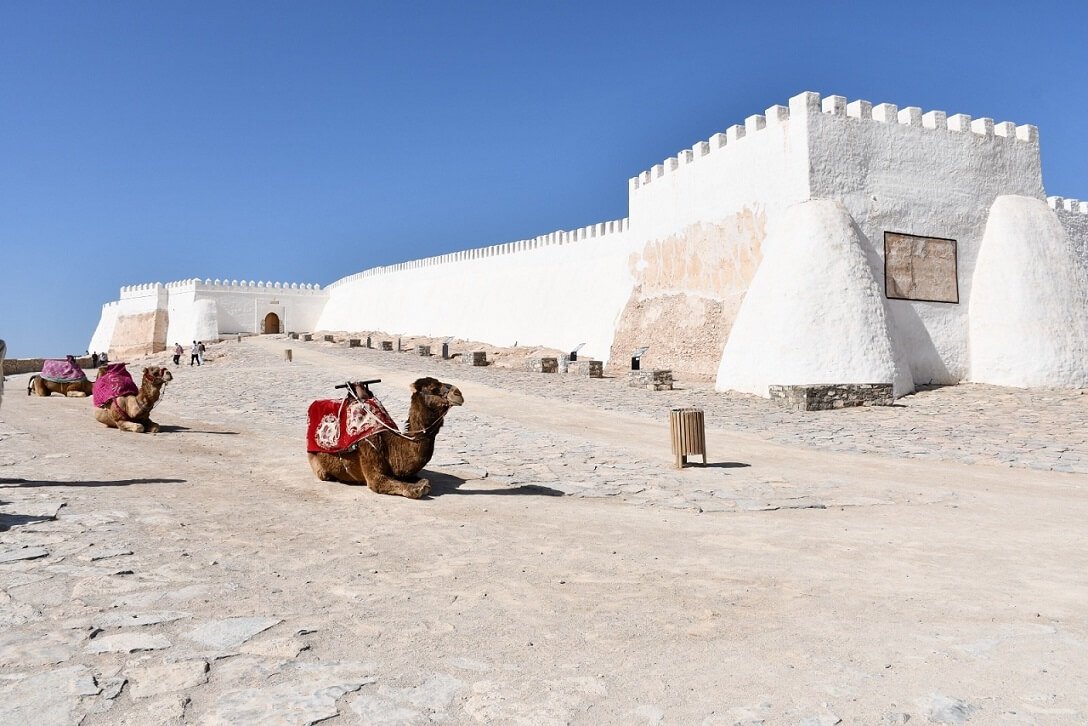
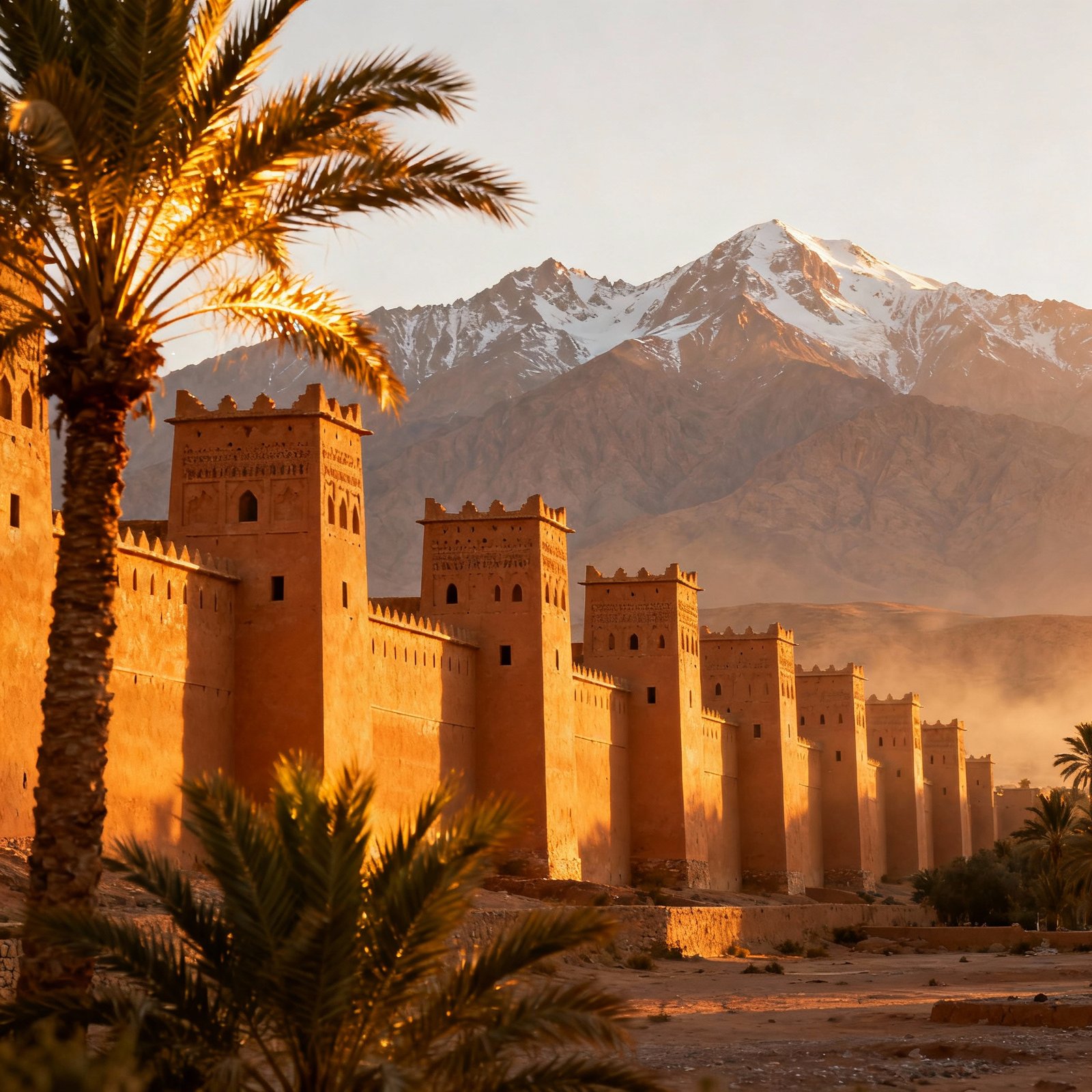
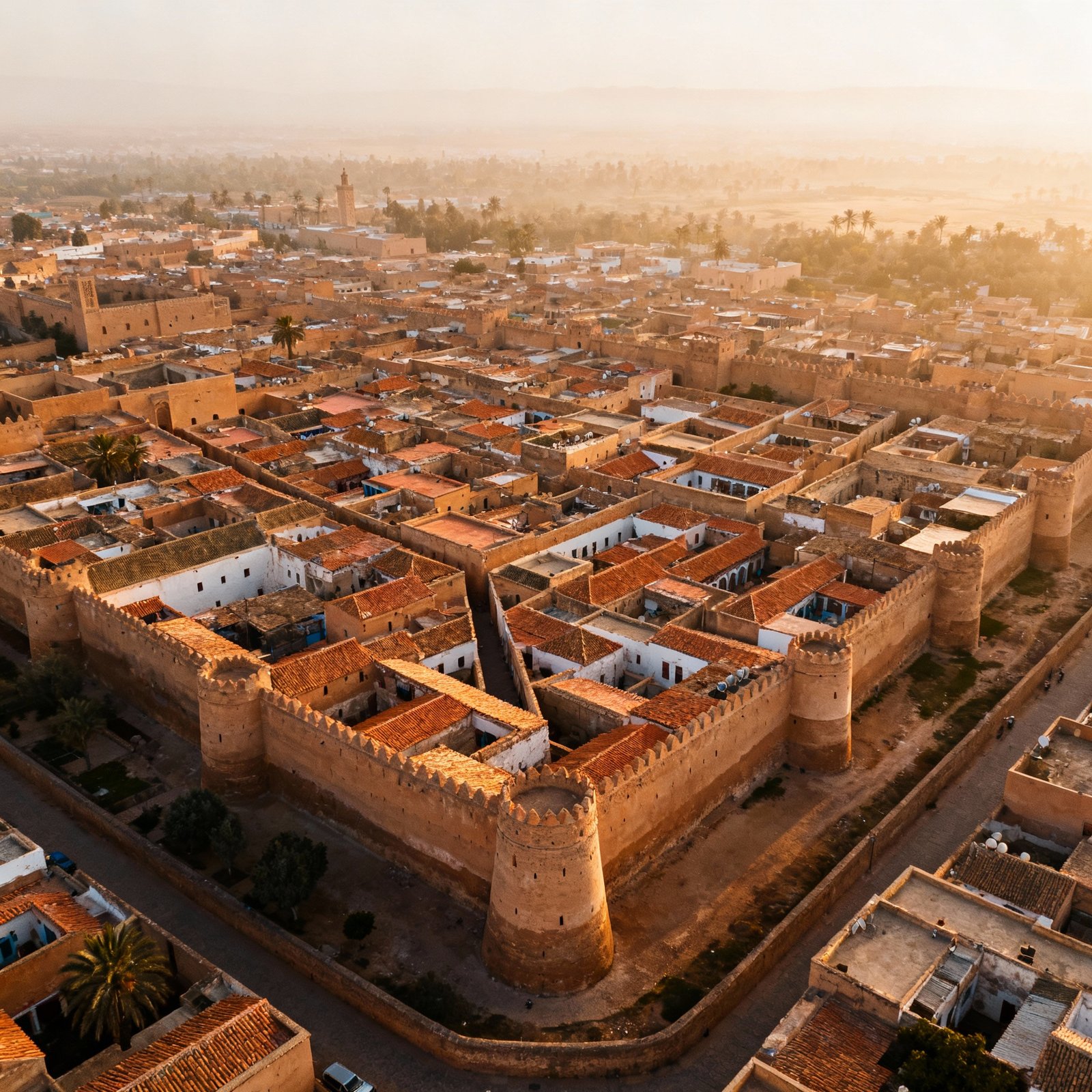
Taroudant’s most iconic feature is its ancient city walls: stretching approximately 7–8 km, punctuated by 130 towers, 19 bastions, and nine historically significant gates.These ramparts were largely built during the 16th and 17th centuries under the reign of the Saadian dynasty, making them among the best-preserved fortifications in the country. Among the most noteworthy gates are Bab el-Kasbah, Bab Targhount, Bab Ouled Bounouna, Bab Lkhmis, and Bab Sensla — each reflecting Moorish defensive architecture.
Walking or biking along the walls at sunset provides breathtaking vistas of the city’s ochre façade glowing in golden light — a photographer’s dream.
The Kasbah and Medina
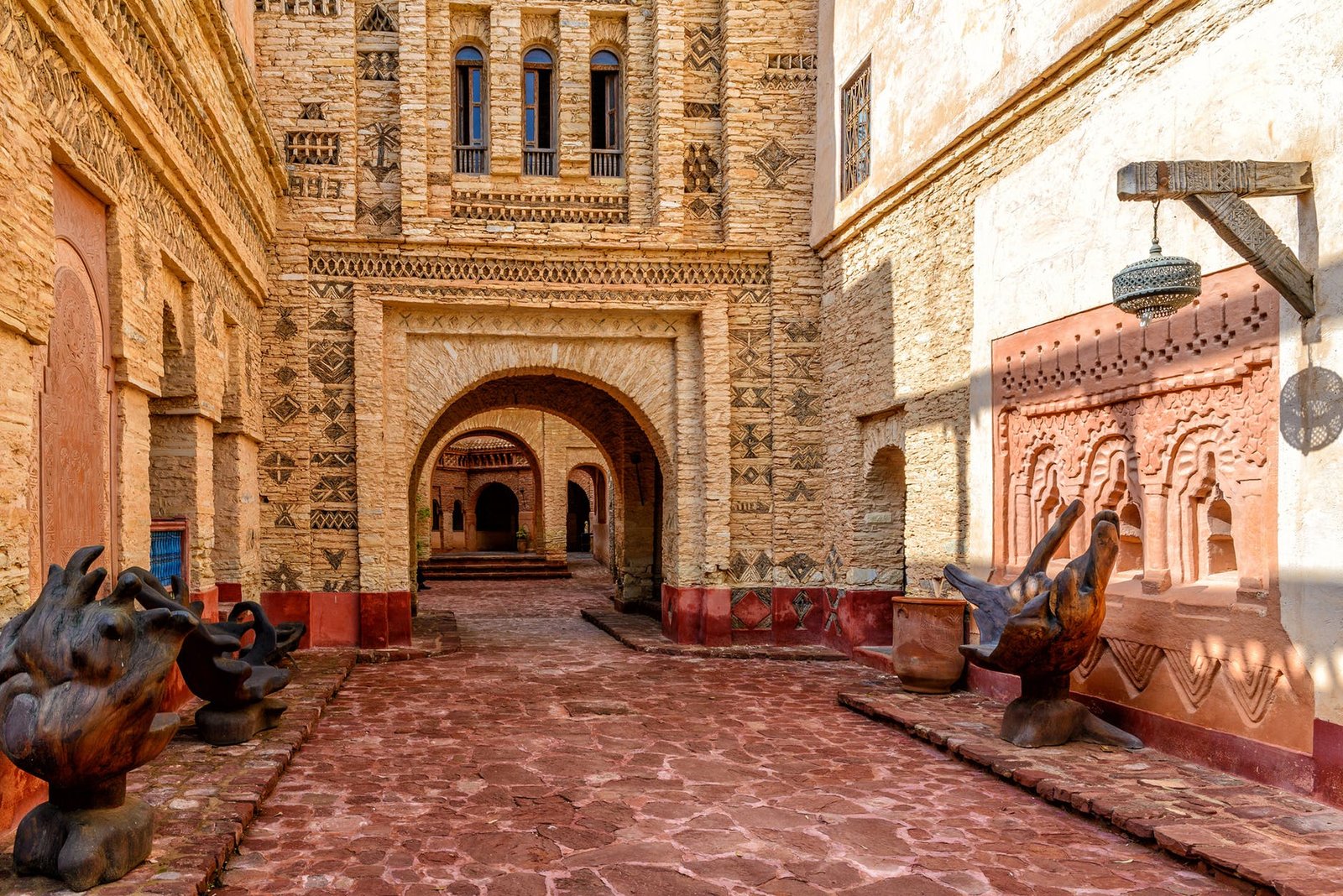
Within the walls lies the old kasbah, a defensive quarter with square towers that once safeguarded the city’s ruling powers. Wandering through the medina reveals narrow alleys filled with artisan workshops, local riads, and hidden courtyards.
Taroudant’s history is further enriched by its past as a trading hub for indigo, sugar, and cotton. Over centuries, the city has felt the influence of Berber dynasties, the Almohads, the Marinids, Portuguese traders, and French colonial rule.
Discovering Taroudant: Things to See & Do
Explore the Medina and Souks
-
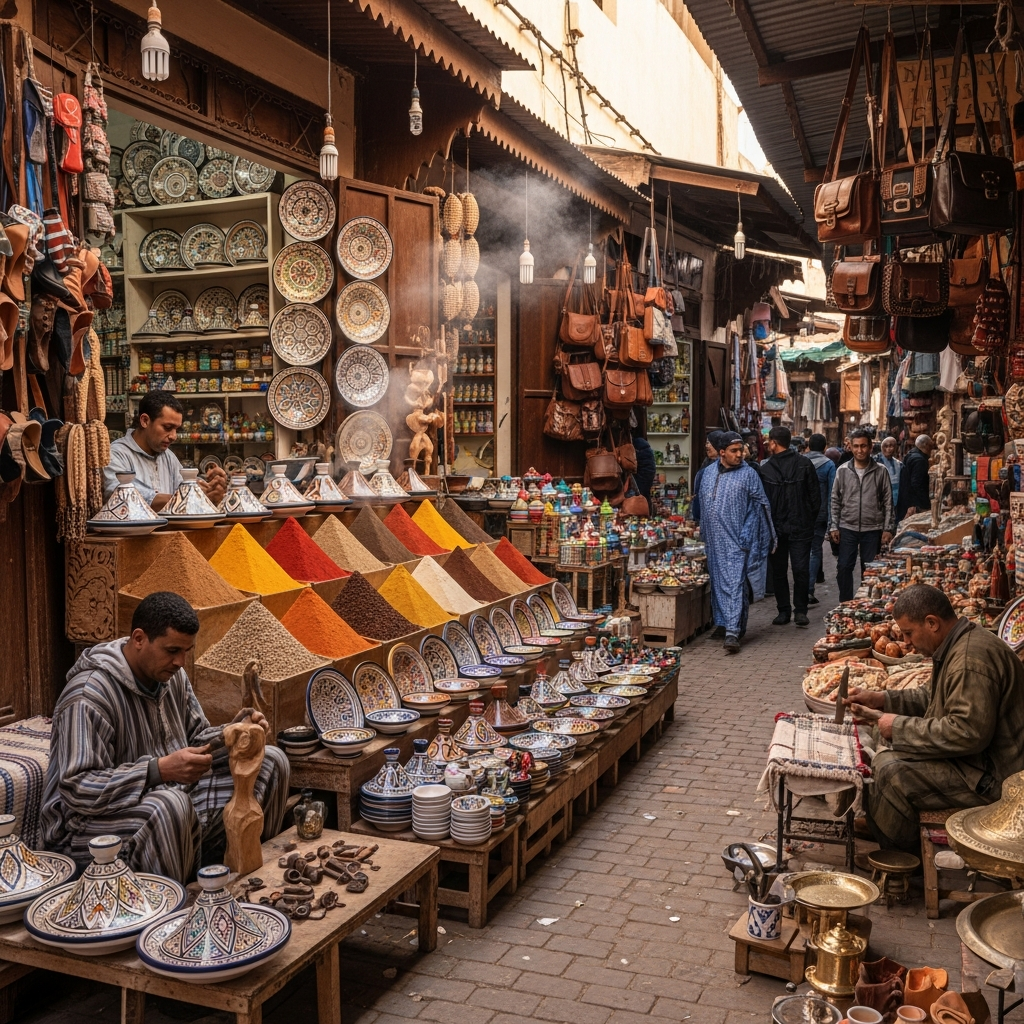
Souk El Had: Held regularly, this traditional market offers spices, ceramics, textiles, carpets, leather goods, and argan-oil products.
-
Small Artisan Quarters: Near gates like Bab el-Kasbah and Bab Targhount, artisans work leather, pottery, metal, and Amazigh jewelry.
-
Bargaining Culture: Haggling is expected and part of the experience — approach with respect, and don’t hesitate to negotiate.
Visit the Palais Claudio Bravo
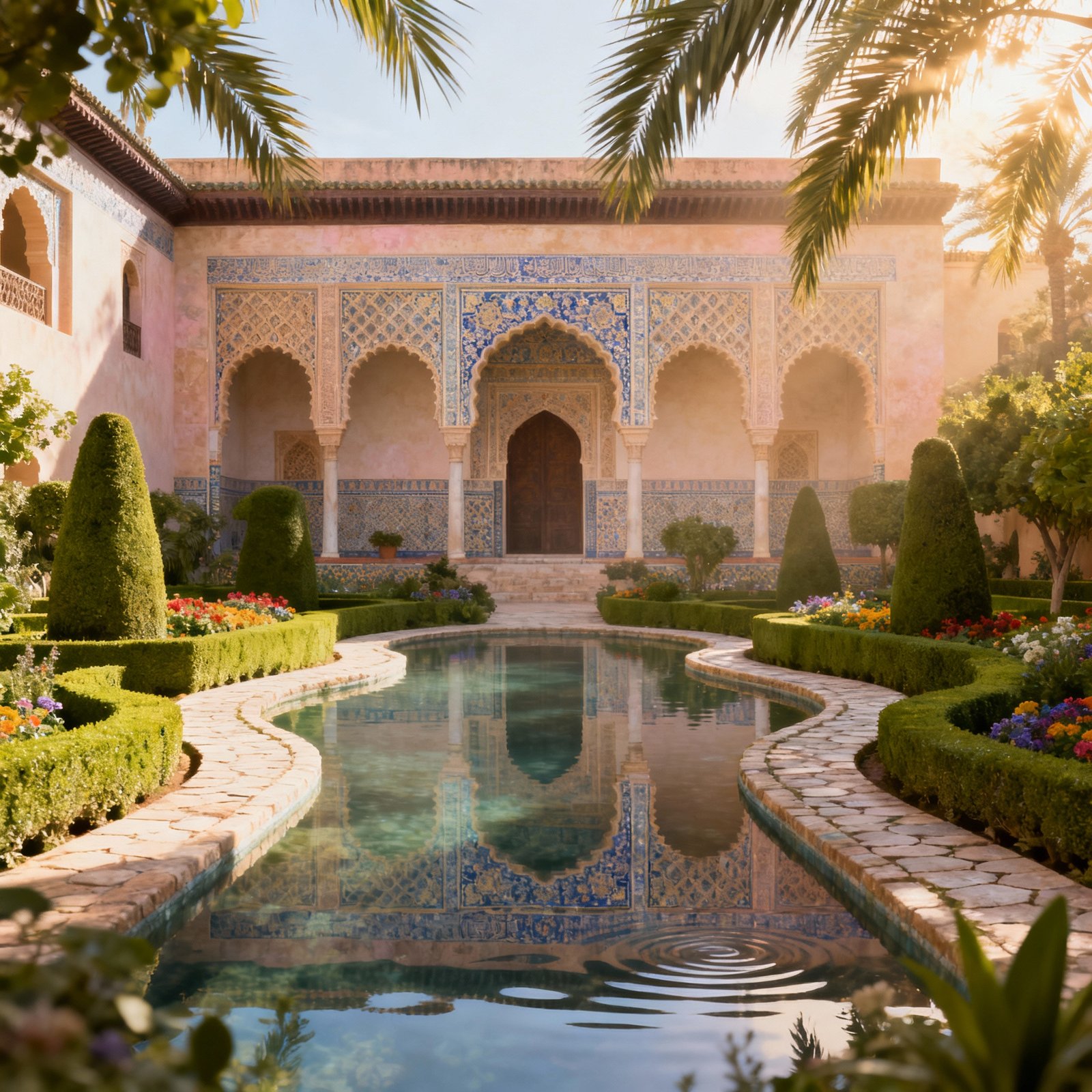
Once the home of the Chilean painter Claudio Bravo, this once-private palace now welcomes visitors.Inside, lifelike artworks hang alongside personal mementos, while the gardens remain a peaceful retreat filled with fountains, citrus trees, and shaded nooks. In summer, enjoy mint tea beside the pavilion overlooking the central lake.
Day Trip to Tioute Oasis
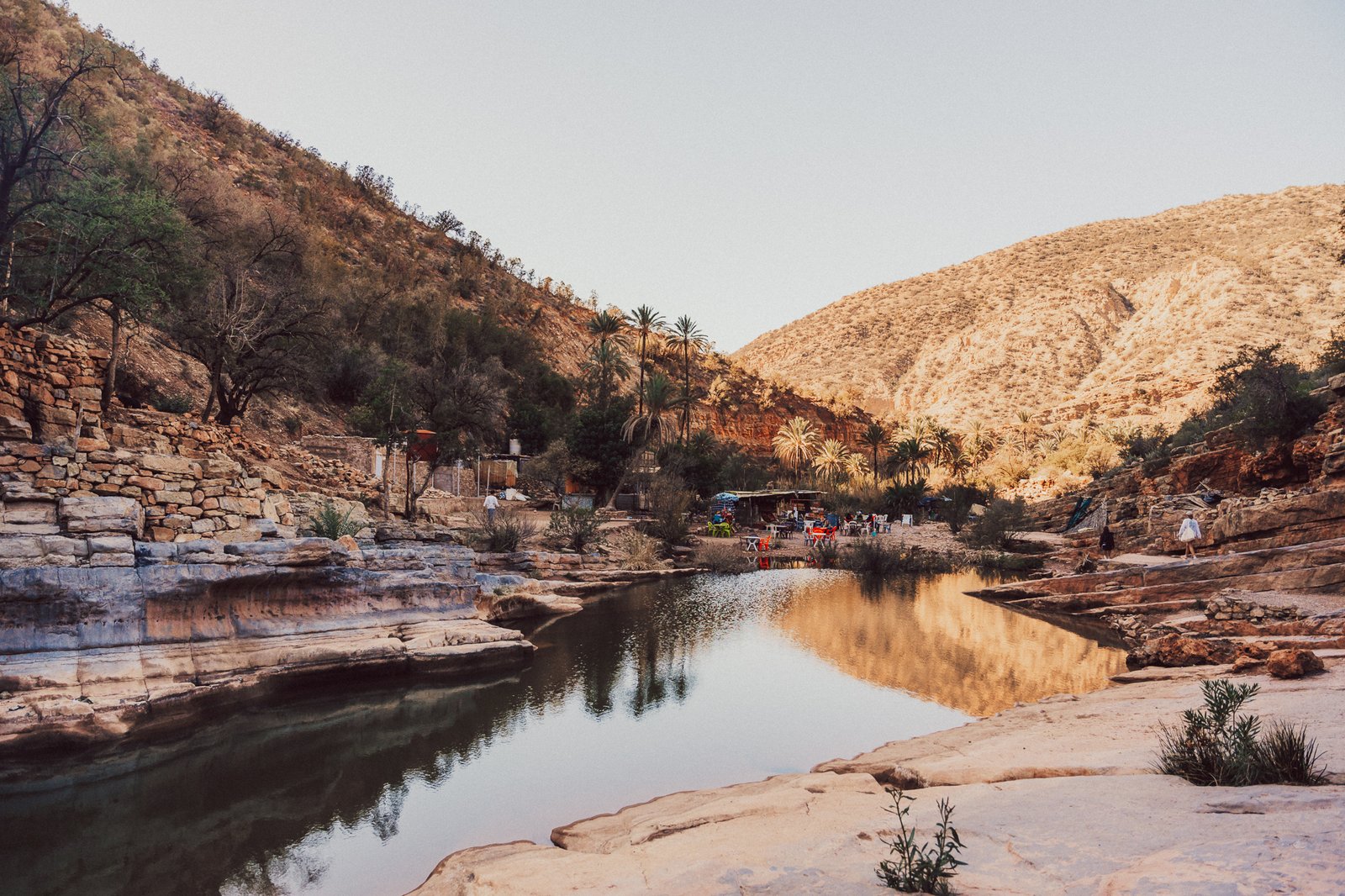
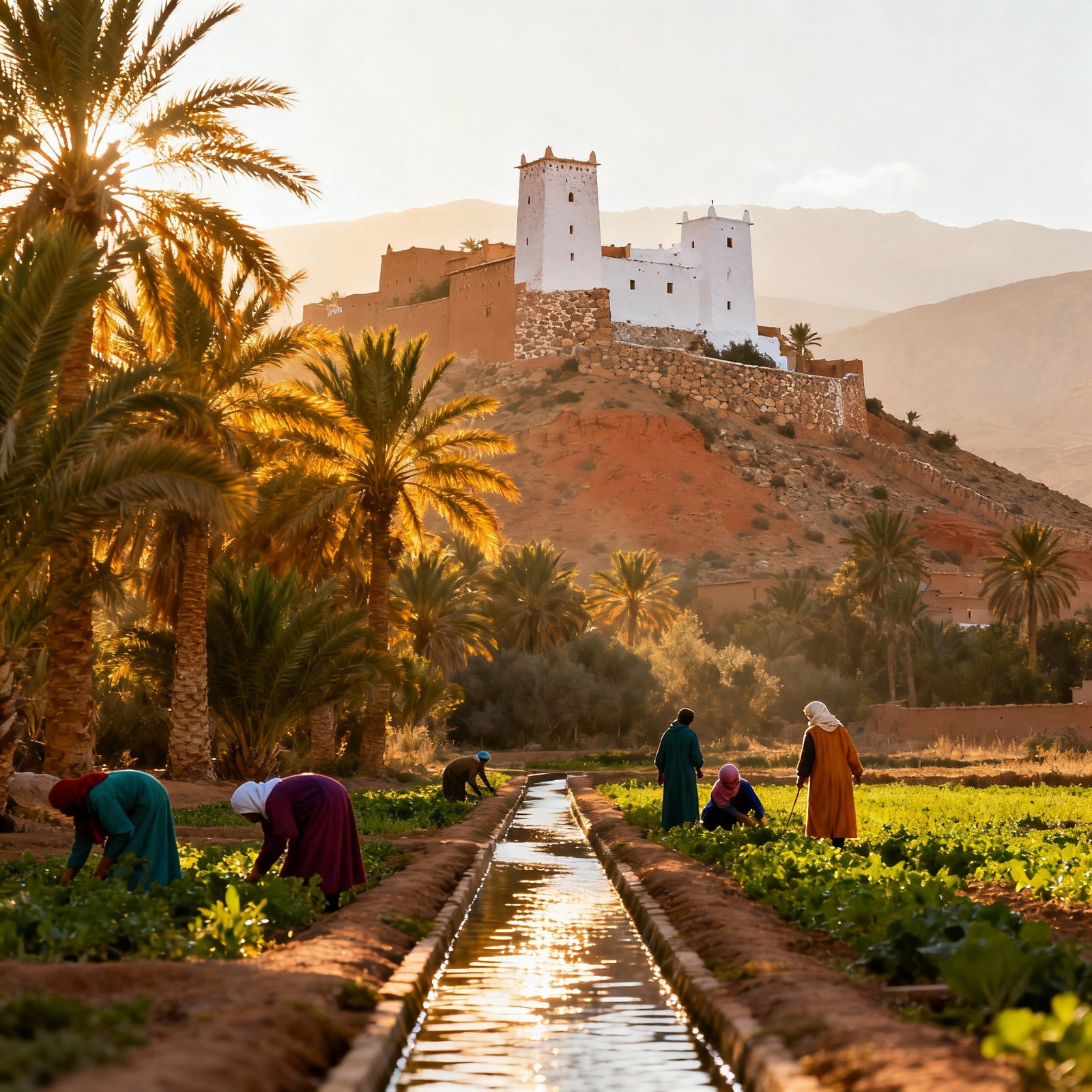
Approximately 30 km south of Taroudant, this almond- and palm-tree oasis is anchored by a 16th-century kasbah. It offers a refreshing escape from city life: shaded groves, irrigation canals, and the rustle of palms. The oasis was even a filming location in the 1952 movie Ali Baba and the Forty Thieves.
Trek and Explore the Countryside
Taroudant sits ideally for hikers and adventure seekers: nestled between two mountain ranges, it offers trails to Berber villages, almond groves, forests of argan trees, and historic granaries (called “agadirs”).A standout example is the Tasguent Agadir, a well-preserved fortified granary built between 1200–1500, now a window into traditional community life.
Culture, Craftsmanship & Local Life
Artisans and Handicrafts
Taroudant’s souks are alive with craftsmanship: leather workshops tanning goat hide and camel skin, vibrant Amazigh silver jewelry ateliers, and pottery and terracotta makers. The city is also known for its argan-oil cooperatives: step outside the walls, and you’ll find locals extracting oil from nuts, sometimes in family-run settings.
Agricultural Roots: Citrus, Argan & Olive
The region around Taroudant produces citrus fruits (especially oranges and clementines), olives, and argan oil. Being in the fertile Souss Valley, much of life here remains tied to the land — whether that’s olive groves or orchards.
Where to Stay & How to Get Around
Accommodation Options
-
Riads in the Medina: Traditional Moroccan homes with courtyard layouts offer cozy stays and local ambiance, often at affordable prices.
-
Modern Resorts: For more comfort, options like Domaine Villa Talaa Resort provide pools and elevated amenities.
Accessing Taroudant
-
From Agadir: Roughly 82 km east; about a 1–1.5 hour drive by bus or grand taxi.
-
From Marrakech: Approximately 275 km, a trip via the N7 highway offers scenic mountain and valley views.
Best Times to Visit & Travel Tips
Ideal Seasons
-
Spring (March–May): Pleasant, mild temperatures; ideal for exploring the walls, markets, and surrounding nature.
-
Autumn (September–November): Comfortable heat, fewer tourists, and optimal conditions for hiking.
Practical Advice
-
Getting Around: Use taxis, or rent a vehicle; bus service exists but may not reach remote mountain paths.
-
Shopping Smart: Always check the craftsmanship quality before purchasing leather goods or pottery. Inspect seams, finish, and materials.
-
Cultural Immersion: Accept mint tea from artisans, ask about local traditions, and show respect when photographing people and sacred sites.
-
Day-Trips: Combine visiting Tioute Oasis, argan groves, or nearby Berber villages for a richer experience.
Taroudant is not just a stopover — it’s a fully realized destination that brings together centuries of history, rich artisan traditions, lush valleys, and the warm, welcoming spirit of Berber culture. With its spectacular ramparts, vibrant medina, serene kasbahs, and the surrounding natural beauty, the city invites travelers to slow down, explore authentically, and discover a side of Morocco far from overtourism. Whether you are hiking into the hills, bargaining in the souk, or simply sipping tea at sunset, Taroudant remains a jewel in southern Morocco waiting to be uncovered.

AGADIR TRIP GUIDE
Related content
Interdum et malesuada fames